















Confusion in Nigeria as government sets to decide price for privately-owned Dangote petrol
Nigerian are in confusion as a result of the declaration by the chairman of Dangote Group, Aliko Dangote, on Tuesday that the price of petrol from his refinery would be determined by the country’s Federal Executive Council (FEC).
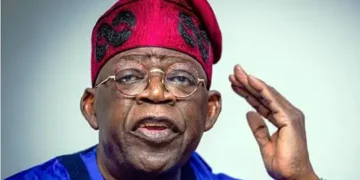
Dangote, who disclosed this at a briefing in Lagos, said: “On pricing, it is an arrangement which is designed and approved by the Federal Executive Council, led by His President Bola Ahmed Tinubu.
“As soon as it is finalised, which he (Tinubu) is pushing, once we finish with NNPC, it can be today, it can be tomorrow, we are ready to roll into the market.”
Oil and gas industry watchers said this reflects broader challenges within Nigeria’s energy sector—balancing regulation with market forces while ensuring consumer protection and promoting investment in local infrastructure.
READ ALSO: Dangote Refinery to supply 25 million litres of petrol daily
Some analysts argue that government involvement could stifle competition and innovation within the sector if not handled transparently, while consumers are anxious about potential price hikes that could arise from increased production costs or changes in global oil prices.
Investors said they are closely monitoring these developments as they assess risks associated with regulatory changes that could impact profitability.
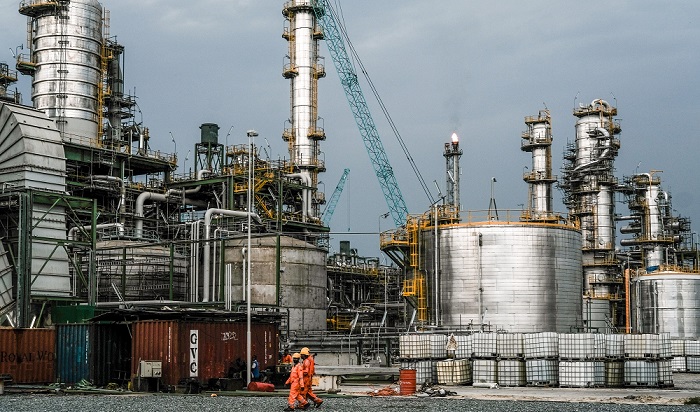
Dangote also said petrol from the plant, in terms of quality, could compete with products from other refineries across the world.
Meanwhile, the chairman of Geregu Power, Femi Otedola, extolled Aliko Dangote for making petrol refining possible in Nigeria.
He said: “It is time to dismantle those depots and sell them as scrap while the market is still high. When I entered the depot business with Zenon, it was in response to making positive impact in the system.”
He also said: “The days of relying on foreign powers for our fuel needs are over, thanks to your (Aliko Dangote) vision and determination. You have delivered a decisive blow to the so-called local cabals who have grown wealthy by perpetuating Nigeria’s economic slavery.
“These cabals, who have thrived by keeping Nigeria dependent, must now face the reality that their era of easy gains is drawing to a close”.
Otedola predicted that with the Dangote refinery now fully operational, the impact on the fuel import sector will be as transformative as Dangote’s earlier revolution in Nigeria’s cement industry.
NMDPRA, NNPC sign deal on crude supply
Also, the Nigerian Midstream and Downstream Petroleum Regulatory Authority (NMDPRA) have signed an agreement with the Nigerian National Petroleum Corporation (NNPC) Limited to sell crude oil to Dangote refinery in Naira.
In a message posted on its X (twitter) handle, Tuesday, NMDPRA, stated that the refinery will to supply an initial 25 million litres of petrol to the domestic market this September, adding that the refinery will later increase capacity to 30 million litres per day from October 2024.
It stated: “At the NMDPRA headquarters in Abuja, NNPCL reached an agreement to commence crude oil sale and supply to Dangote Refinery in local currency.
“The refinery is now poised to supply an initial 25 million litres of PMS into the domestic market this September. And will subsequently increase this amount to 30 million litres daily from October 2024.”
This latest development is coming as Nigerians continue to grapple with a severe nationwide petrol scarcity, which over the past two weeks, a situation exacerbated by the NNPC Limited’s recent revelation of a staggering $6 billion debt.
Plans for domestic distribution, export
Vice President of Oil and Gas at Dangote Industries Limited, Devakumar Edwin, had earlier said: “We have been exporting aviation fuel, we have been producing kerosene, we have been producing diesel, but yesterday, we started the production of petrol. So, that was the last stage. The only thing now left out is petrochemicals.”
“There has been a kind of a blockade from lifting our products within the country. The traders have been trying to block it. We have been exporting our petroleum products. We are ready to pump in petrol as much as possible to the country. But if the traders do not buy the product, we will end up exporting it.”