











Guinea Bissau President Embalo declines to run for a second term
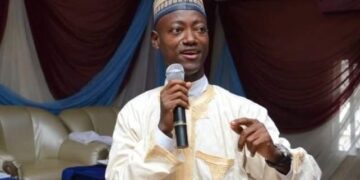
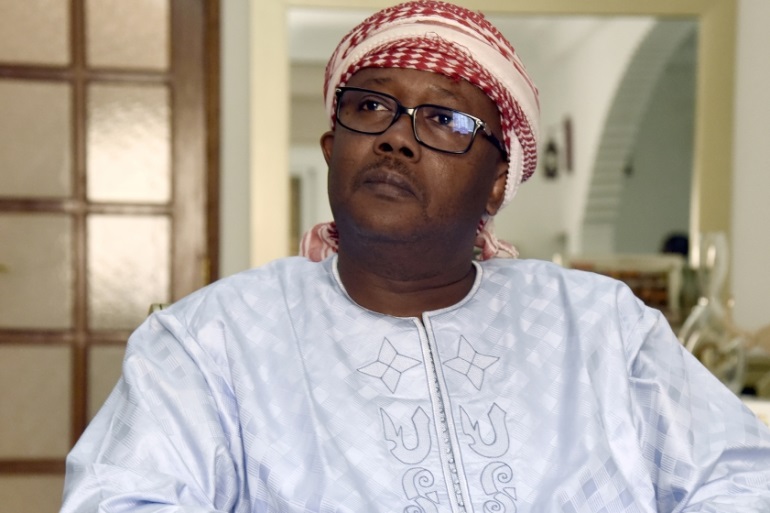
President Umaro Sissoco Embalo of Guinea Bissau has publicly announced that he will not seek re-election for a second term in office.
Embalo, 51, was elected in January 2020 to succeed outgoing president Jose Mario Vaz. He defeated runner-up Domingos Simoes Pereira with 54% of the vote.
His sudden and unexpected announcement is seen by many as capable of creating a political instability in the coup-prone country of around two million people.
But the decision seen by others as part of his broader political strategy and reflects the current state of governance in the country.
READ ALSO: Bill Gates arrives Nigeria to address hunger, malnutrition in Africa
Umaro Sissoco Embalo assumed the presidency in February 2020 after a contentious election process that was marked by allegations of fraud and political instability.
His administration has faced numerous challenges, including economic difficulties, public discontent, and ongoing issues related to governance and security. The announcement not to run again can be seen as a response to these challenges and an acknowledgment of the complex political landscape in Guinea Bissau.
Implications of not running
By deciding not to pursue a second term, Embalo may be attempting to stabilize the political environment ahead of upcoming elections.
This move could also be interpreted as an effort to pave the way for new leadership or to consolidate support among various factions within the country.
It is important to note that Guinea Bissau has a history of political turbulence, including coups and instability, which makes any transition of power particularly significant.
The reaction from the public and political analysts regarding Embalo’s decision is mixed. Some view it as a positive step towards democratic governance, while others remain skeptical about whether this will lead to meaningful change or simply another cycle of instability. The future political landscape will depend heavily on how this decision influences other potential candidates and parties within Guinea Bissau.
His announcement marks a crucial moment in Guinea Bissau’s political journey, reflecting both his personal choices and the broader dynamics at play within the nation.