
















Nigeria to pilot revolutionary six-month HIV prevention injection in eight states
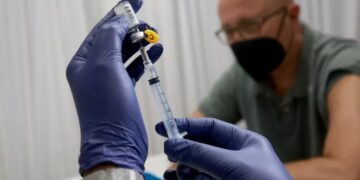
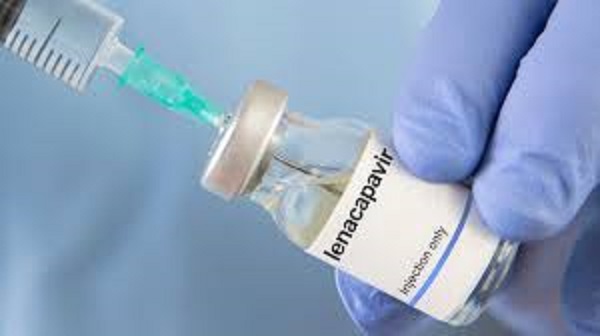
Nigeria is set to bolster its fight against HIV with the introduction of Lenacapavir, a cutting-edge, long-acting injectable drug.
This rollout marks a significant shift in the country’s public health strategy, moving toward more convenient and effective prevention methods.
The initiative, supported by the Global Fund and the World Health Organization (WHO), follows the WHO’s global recommendation of the drug in July 2025.
Phase One: Where and how?
The initial rollout will be concentrated in eight key regions to monitor safety and effectiveness before a nationwide expansion. The selected areas include Anambra, Ebonyi, Gombe, Kwara, Akwa Ibom, Cross River, and Benue.
The Minister of State for Health and Social Welfare, Iziaq Salako, confirmed that Nigeria is one of only nine “early adopter” countries. Approximately 52,000 doses have already been secured for this first phase.
What is Lenacapavir?
Lenacapavir is a Pre-Exposure Prophylaxis (PrEP) medication designed for HIV-negative individuals who are at a higher risk of infection.
Unlike traditional PrEP which requires a daily pill, Lenacapavir is administered just once every six months.
Adebobola Bashorun, National Coordinator of the NASCP, emphasized that while this is a major breakthrough, it is not a cure. It is designed to complement existing tools like condoms and daily oral PrEP.
READ ALSO: AfrexInsure names Lesley Ndlovu as new CEO to drive African trade risk solutions
Two injections would be given per year (every 6 months), and the target Group include HIV-negative individuals at substantial risk (e.g., those with HIV-positive partners, sex workers, or people with multiple partners).
It is said to be generally safe, though a mild pain at the injection site is the most common side effect.
It is not recommended for pregnant women due to insufficient data.
It important to note that it prevents HIV only; it does not prevent other STIs or pregnancy.
One of the biggest hurdles in ending the HIV epidemic has been “pill fatigue” and the stigma associated with taking daily medication.
Temitope Ilori, Director-General of NACA, noted that the twice-yearly injection significantly reduces the burden on the user, making it much easier to stay protected.
The rollout is guided by the National PrEP Implementation Plan (2025–2028), which focuses on ensuring the supply chain remains steady and that community engagement reduces any remaining stigma.
This move is part of a broader global goal to end HIV/AIDS as a public health threat by 2030. By offering a “menu” of options—pills, shorter-term injections, and now Lenacapavir—health authorities hope to empower Nigerians to choose the prevention method that best fits their lifestyle.