

















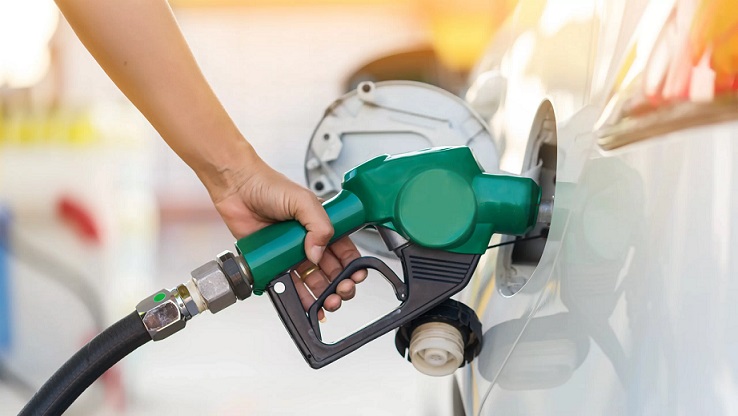
Experts say fuel price hikes will lead to malnutrition in Nigeria
Some experts have expressed concern that the hike in the pump price of petrol could lead to malnutrition in the country.
In an interview with journalists on Sunday in Abuja, the experts said the situation could occur due to the increased cost of living for many households.
The Nigeria National Petroleum Company Limited Ltd (NNPCL) Retail Management on September 3 approved the upward review of petrol pump prices from N568 and N617 per litre to N897 per litre.
An economist, Mohammad Nazifi, noted that the new price would worse hit low-income earners because of the likely increase in the cost of transportation, which would also affect food prices.
Mr Nazifi said the situation could lead to health challenges such as malnutrition and increased food insecurity in the country.
“The rising cost of food and other essentials can lead to malnutrition or food insecurity, particularly among vulnerable populations. These factors can exacerbate health inequalities and strain public health systems,” he said.
READ ALSO: Opay, Moniepoint users to pay Nigerian government EMTL levy
According to him, the increased price can contribute to inflationary pressure on the economy, causing the cost of production to rise.
“The increase in Premium Motor Spirit (PMS) prices contributes to overall inflationary pressure. Nigeria’s inflation rate is already high at 34.19 per cent as of September 2024.
“As transportation and production costs rise due to higher fuel prices, these costs are passed on to consumers, leading to higher prices across the board.
“This can create a cycle of rising costs and wages, potentially leading to cost-push inflation, which further erodes purchasing power and can slow economic growth,” he said.
An economic expert, David Ambi, said petroleum prices were a critical determinant of inflation, particularly in economies that heavily rely on petrol for transportation and production.
He maintained that the rising fuel costs typically lead to higher expenses throughout the supply chain, which affects the prices of goods and services, including foodstuffs.
“This phenomenon is known as ‘cost-push inflation, higher transportation and production costs lead to more expensive goods, from food to consumer electronics,” he said.
A public analyst, Bulus Dabit, said the increase in fuel prices could exacerbate poverty by reducing the purchasing power of citizens, particularly low-income households.
“The increase in pump prices may disproportionately affect vulnerable populations such as the poor and marginalised, who may not have the means to absorb the additional costs,” he said.
Mr Dabit said the price increase had been criticised for being driven by external and personal economic interests rather than scientific, economic imperatives.
He said any decision on such matters should involve consultations with citizens and be predicated on empathy, justice, accountability, patriotism, and nationalism.
Also, Charity Bello, the secretary of the Small-holder Women Farmers Organisation in Nigeria (SWOFON) in Plateau, said that as long as petrol prices keep increasing, prices of food commodities will not drop.
Ms Bello said food prices could stabilise if the government addresses insecurity in rural communities where most farming activities occur, in addition to the downward review of the cost of petrol.
(NAN)