











High costs, specialist shortage leave millions of Nigerians with epilepsy in the dark
A staggering 70% of Nigerians living with epilepsy are not receiving medical treatment, according to the Nigerian Society of Neurological Sciences (NSNS).
The society warns that a combination of “prohibitive” drug costs and a severe shortage of specialists has created a public health crisis that is hitting rural communities the hardest.
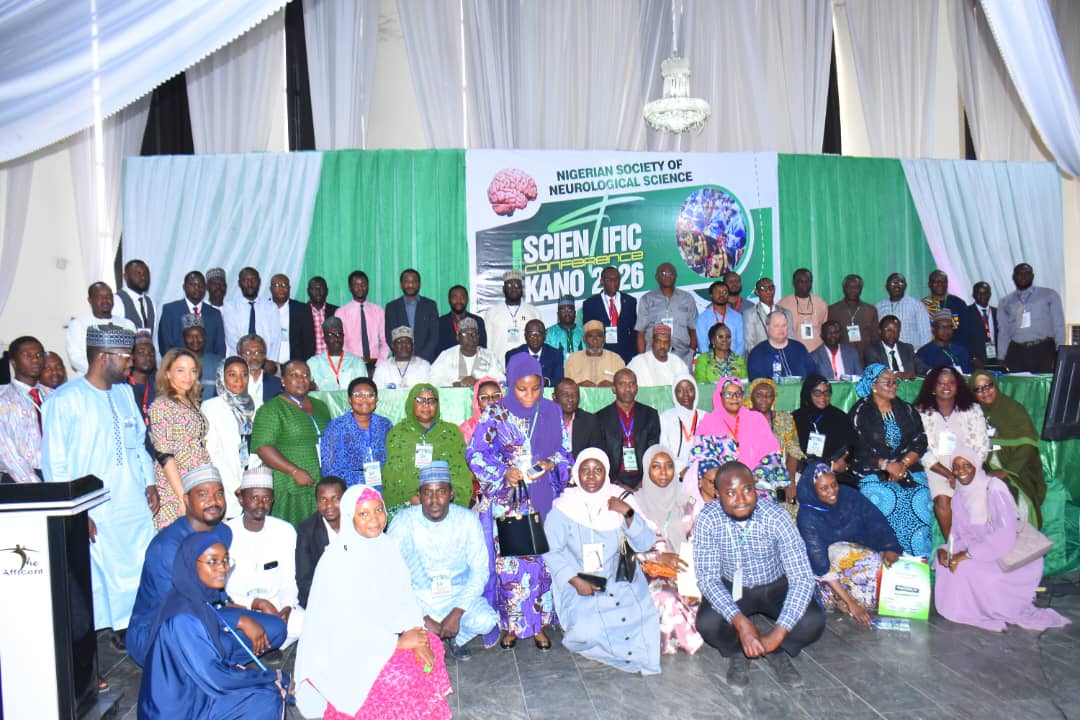
The alarm was raised in a communique issued following the society’s 58th Annual Scientific Conference in Kano, chaired by Emeritus Professor Musa Muhammad Borodo.
For many Nigerians, the barrier to health isn’t just medical—it’s financial. The NSNS, led by President Prof. Morenikeji Komolafe, noted that anti-seizure medications, the primary defense against the condition, have become unaffordable for the average citizen.
“The cost of antiseizure medications… remains prohibitive and unaffordable in Nigeria, especially in rural settings,” the communique stated.
READ ALSO: Kwankwaso asks Kano’s Gov Yusuf to quit governorship if he quits NNPP
To combat this, the society is calling for an immediate partnership between the government and pharmaceutical companies to subsidize medications, ensuring that life-saving drugs reach those outside the major urban centers.
The conference, themed ‘Bridging Gaps in Epilepsy Care,’ highlighted a frustrating paradox: Nigeria has the talent, but lacks the tools.
While the NSNS confirmed that local surgeons have successfully performed complex epilepsy surgeries, the country is crippled by a “dearth of specialists,” including neurologists and EEG technologists. Furthermore, the infrastructure is lagging behind the expertise. Currently, only one Positron Emission Tomography (PET) machine—vital for surgical planning—exists in the entire country, located in Lagos.
A zonal solution for national care
To decentralize care and move beyond the “Lagos-centric” medical model, the NSNS is demanding zonal epilepsy centers across all six geo-political zones; standardized equipment for the centers with at least 1.5 Tesla MRI machines to ensure accurate diagnosis; and uniform guidelines across all levels of healthcare, from primary health centers to tertiary hospitals.
The keynote speaker, Prof. Edwin Trevathan of Vanderbilt University, reminded delegates that the crisis isn’t just clinical. He emphasized that bridging the treatment gap requires a “commitment to addressing the social stigma” that often leads to discrimination against those with neurological disorders.
The NSNS concluded with a call for Nigeria to join global genetic studies for conditions like Parkinson’s and dementia, ensuring that the next generation of treatments is developed with the Nigerian genetic profile in mind.